|
Long before I became known for soapmaking, I built my career as a graphic designer, art director, and brand designer. One of the foundational concepts taught throughout my design education and professional career was intellectual property, copyright, and the importance of respecting creative work. As designers, we were taught not only how to create, but also how to recognize the value of original ideas and the ethical responsibilities that come with using the work of others as inspiration. Over the years, that perspective has followed me into every creative endeavour, from brand design to soapmaking, tool design, education, and content creation. As a soap artist and tool designer, I've experienced both sides of this conversation. I've been inspired by the creativity of others, and I've also had moments where I've seen my own designs reproduced without permission. As makers, artists, and creatives, we’re constantly inspired by the world around us. Nature. Architecture. Textiles. Flowers. Patterns. Colours. Even the work of other makers. Inspiration is part of the creative process. It helps us learn, grow, and push our craft forward. But where do we draw the line between inspiration and copying? It’s a question that comes up regularly in creative communities, and recently it sparked some thoughtful discussions that reminded me just how important this topic really is. Creativity Doesn’t Happen in a VacuumEvery artist starts somewhere. We learn techniques from others. We take workshops. We admire beautiful work. We study designs that catch our attention. There is nothing wrong with being inspired by another creator. In fact, most innovation happens because someone takes inspiration from one idea and combines it with their own experiences, skills, and perspective to create something new. That process is healthy. It’s how creative communities grow. Very few ideas are completely original. Most creativity is built upon countless influences, experiences, and ideas that came before. The challenge isn’t avoiding inspiration. It’s transforming that inspiration into something uniquely your own. The Difference Between Inspiration and CopyingFor me, the distinction is often surprisingly simple. Inspiration is taking an idea, concept, or influence and transforming it through your own perspective, experience, skills, and creativity. Copying is reproducing someone else’s work so closely that the original creator’s contribution is effectively replaced. Imagine seeing a beautiful sunflower soap design and being inspired to create your own floral-themed soap. That’s inspiration. Now imagine recreating the same design, using the same composition, colours, or recreating a custom tool and presenting it as your own. That’s something different. While there isn’t always a perfectly clear line, most of us recognize the difference when we see it or when it’s pointed out to us. Inspiration asks, “What can I create from this idea?” Reproduction asks, “How closely can I recreate it?” Respect Matters More Than EnforcementOver the years, I’ve occasionally seen people defend copying by focusing on whether something could realistically be enforced in court. But I think that’s the wrong question. Legal standards and ethical standards are not always the same thing. The law establishes a minimum standard of behaviour and provides mechanisms for resolving disputes. Ethics asks a different question: what is the right thing to do, even when enforcement may be difficult or unlikely? A person can sometimes act within the limits of what is legally enforceable while still falling short of what many would consider respectful, fair, or ethical. The practical challenges of enforcing a principle do not make the principle any less important. Most of us would agree that honesty, fairness, and integrity matter even when no one is watching. Respecting creative work is no different. The fact that a creator may not have the resources, time, or desire to pursue legal action does not automatically make a behaviour acceptable. The better question is whether we would consider the behaviour acceptable if the creator were larger, more visible, or more powerful. Most people would never think of reproducing a popular song, using a recognizable logo, or republishing a bestselling author’s work and then telling the original creator to “prove it.” Not because they have studied copyright law, but because they intuitively understand that someone created that work. The principle doesn’t change simply because the creator happens to be a small business owner, independent artist, soapmaker, photographer, or designer. The size of the creator shouldn’t determine the level of respect we give their work. The Hidden Work Behind Original IdeasOne thing that often gets overlooked is the amount of work that goes into creating something original. When people see a finished design, they usually see the final result. What they don’t see are the countless hours of experimentation, sketching, testing, redesigning, refining, and sometimes failing before that final version ever exists. As someone who designs soapmaking tools, I can tell you that the finished product is often the smallest part of the journey. A design that appears simple may represent weeks or even months of sketching, prototyping, testing, refining, and starting over. Behind every finished tool are lessons learned, materials invested, and many hours spent solving problems so others can enjoy a smoother creative experience. Original ideas rarely appear overnight. They’re built through persistence, curiosity, and a willingness to take risks. A Simple TestWhen I’m unsure whether something falls into the category of inspiration or copying, I find a few simple questions can help:
Education Is More Powerful Than ConfrontationOne thing I’ve learned over the years is that most people are good people. Most makers genuinely want to do the right thing, and our perspectives are often influenced by our own experiences, incentives, and circumstances. A creator who has spent months developing an original idea may view copying very differently than someone who primarily learns by recreating the work of others. Neither person is necessarily acting in bad faith. They’re simply approaching the conversation from different experiences. Recognizing those differences can help us have more productive discussions and better understand why reasonable people sometimes arrive at different conclusions. Often, when someone unknowingly crosses a line, it’s because they don’t fully understand the impact of what they’re doing. When the situation is approached respectfully and explained clearly, most people are happy to make things right. They remove the content. They give credit. They change course. And that’s encouraging. Because it reminds us that education is often more effective than confrontation. The Real Issue Isn’t Usually the MistakeWhat concerns me more than the occasional mistake is how someone responds once they’re made aware of it. Mistakes happen. We all make them. The real test of character is what happens next. Do we listen? Do we learn? Do we acknowledge the work of others? Do we take steps to make things right? Creative communities thrive when people are willing to do exactly that. Unfortunately, not everyone chooses that path. Some defend the behaviour, dismiss the concerns of creators, or look for reasons why the principles shouldn’t apply to them. In my experience, those responses often reveal far more than the original mistake ever could. Supporting Creativity Benefits EveryoneWhen we support original creators, we’re doing more than helping one individual. We’re encouraging innovation. We’re rewarding experimentation. We’re helping ensure that people continue investing their time, energy, and creativity into developing new ideas. The result is a stronger, more vibrant community for everyone. Whether you’re a soapmaker, painter, woodworker, photographer, designer, or entrepreneur, the principle remains the same. Original ideas are the lifeblood of creative communities. Final ThoughtsThis conversation isn’t really about copyright law. It’s about respect and integrity. It’s about recognizing the value of creativity and the effort behind original work. It’s about building the kind of community where people feel encouraged to share new ideas, knowing those ideas will be appreciated rather than simply copied. Most importantly, it’s about remembering that behind every design, every tool, every product, and every piece of art is a real person who chose to create something new and share it with the world. And that’s something worth supporting. A Note for Love Your Suds CustomersIf you've purchased my tools, guidebooks, or workshops and are wondering whether you're welcome to recreate and sell the soap designs I teach, the answer is absolutely yes. I've put together a Creator Guidelines page that explains exactly what's encouraged, what's not, and how I approach these topics within the Love Your Suds community. 👉 Read the Creator Guidelines About the Author Belinda Williams is the founder of Love Your Suds®, a soap artist, educator, and tool designer based in Vancouver, Canada. Before entering the soapmaking industry, she built her career as a graphic designer, art director, and brand designer, where intellectual property, copyright, and creative ethics formed a foundational part of her education and professional experience. Today, she combines her passion for creativity, design, and education through innovative soapmaking tools, workshops, and resources that help makers elevate their craft and bring their ideas to life. I love hearing from readers. To maintain a positive and spam-free environment, comments are reviewed before they appear on the site. Thanks for being part of the conversation. – Belinda
0 Comments
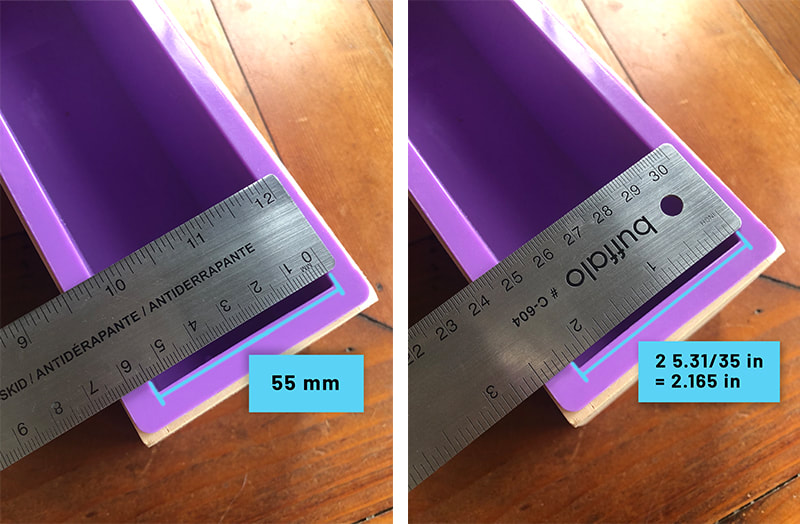
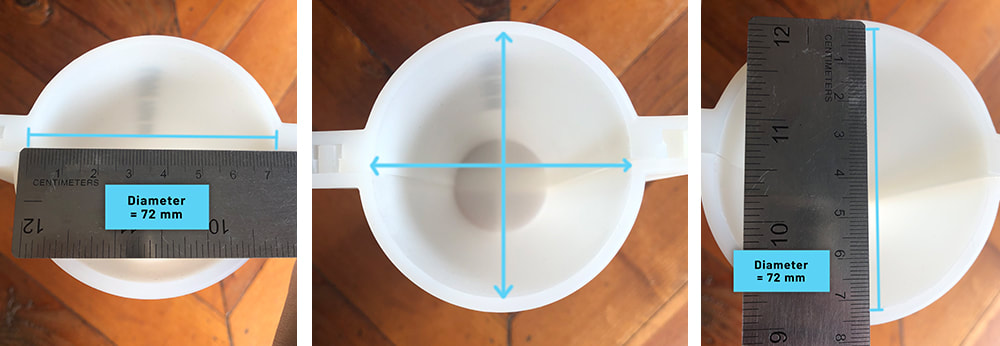
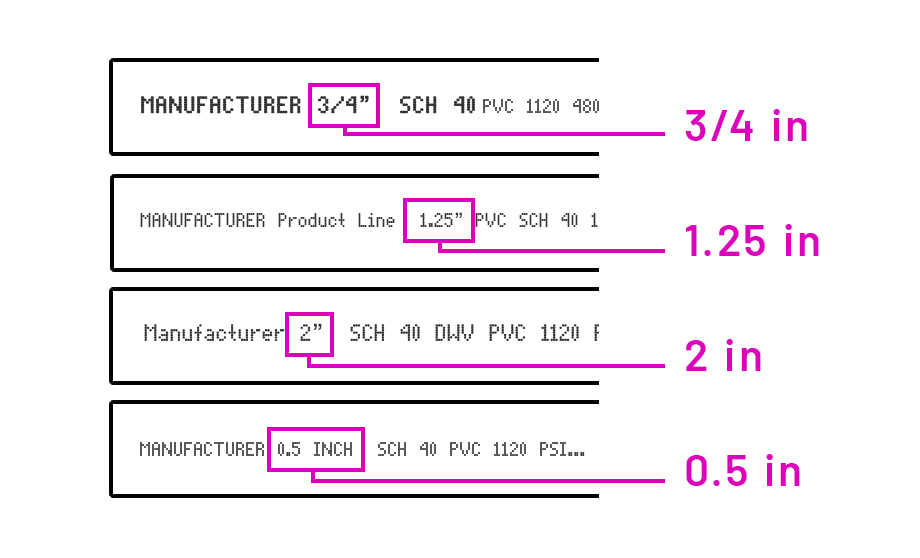
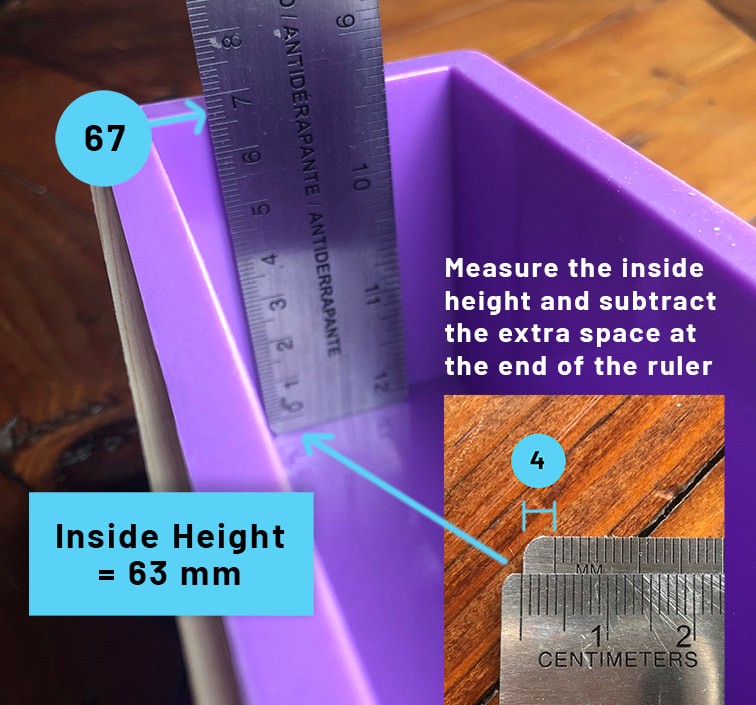
The size of your mold determines the size of the Scraper-style, Kaleidoscope or KaleidoSwirl™ Soap Shaper you need. The good news is that I offer a variety of different sizes and FREE custom sizing, too, if needed. There are a couple of steps that we need to take to guarantee your measurements are precise. Fortunately these steps are easy and all you need is a ruler or a measuring tape. There's beauty to be found in imperfections. I have always liked the idea of embracing things that are perceived as being imperfect and transforming them into design elements. This concept is perfectly captured by the Japanese philosophy of wabi-sabi, which encourages us to see the beauty in the flawed or imperfect. I also find that when I give myself permission to make mistakes I become more relaxed and often find greater enjoyment in the creative process. Any unplanned deviations along the way can then become opportunities to discover new and exciting techniques. This is one of the things I find most rewarding about soap making; the sense of being on a journey and making new discoveries.
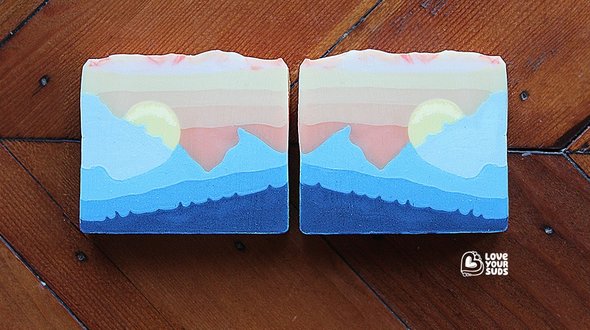
Introducing Sunset Summit, my entry into this month's Greatcakes Soapworks Soap Challenge – an ombré challenge – where we had the opportunity to use any soap design or technique that we wanted while exploring an ombré colour palette.
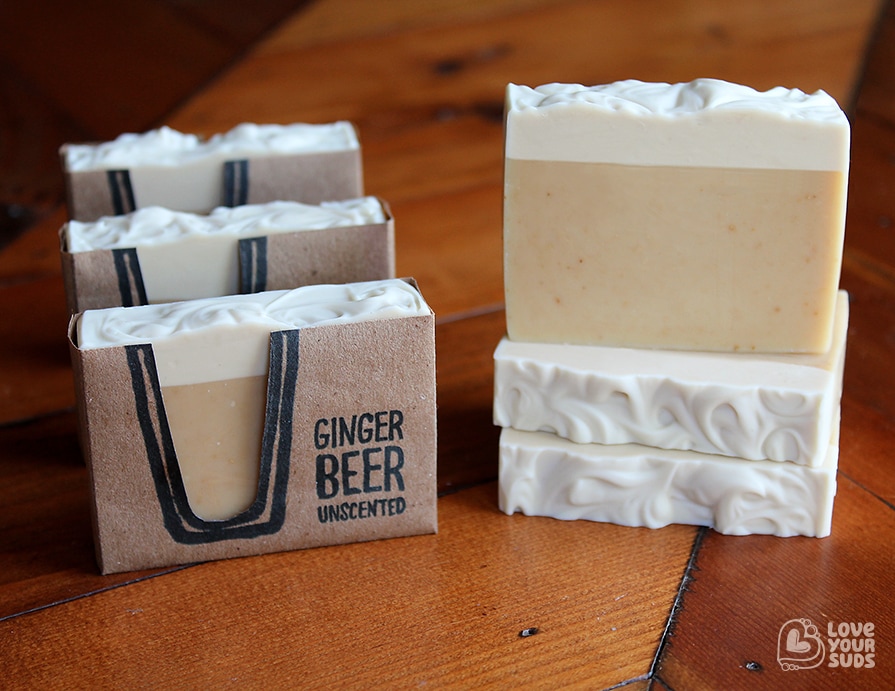
For the April edition of the Great Cakes Soap Challenge, our host Amy put together something a little different for us to work on. Our task for this month was to create a “rustic” soap with a packaging design to match.
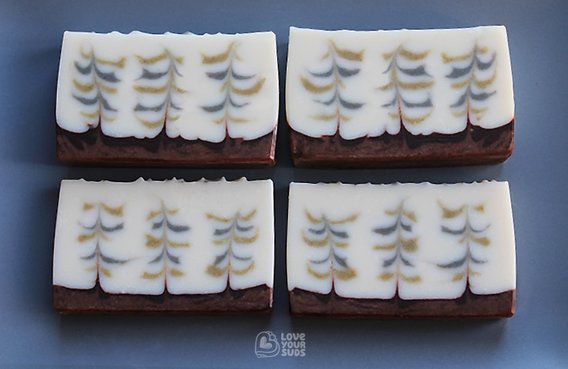
My soap making journey continues, and this month as a member of the Soap Challenge Club I had the opportunity to learn and practice a new technique call The Secret Feather Swirl; a lovely technique that it emulates either a feather or a tree depending on how you approach it.
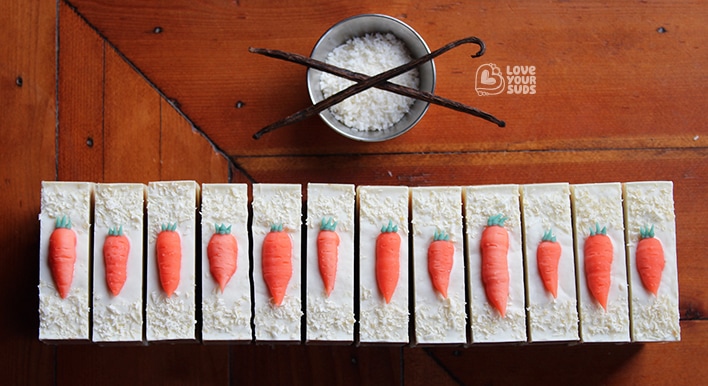
Over the past couple of years soap making has fast become my number one hobby. It is something that I do outside of my work as an Art Director to relax and unwind while indulging my passion for creativity. Although all of my soap making has been done solo to date, I was excited to learn that the Soap Challenge for January 2017 was a collaboration challenge. The opportunity to make a soap with someone, while sharing knowledge and learning together – yes please!
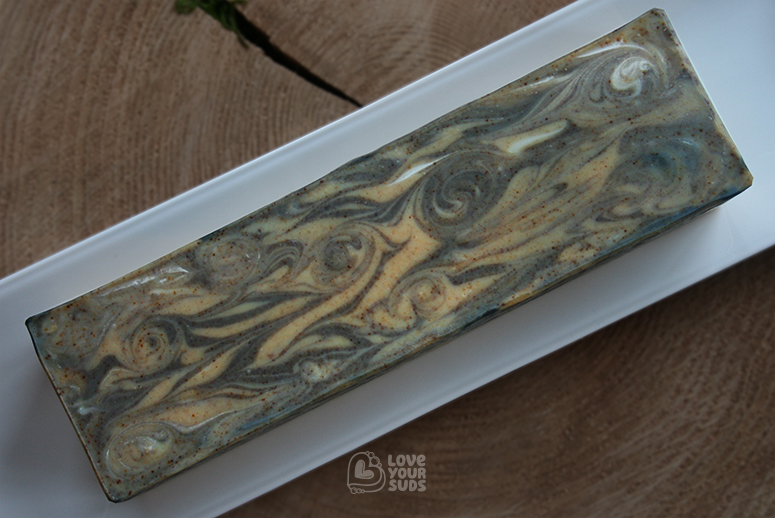
No matter how busy the weeks become, I always find time to enjoy soap making. There is something about being creative and working with my hands that helps me to relax and unwind. Since July I have been participating in the Great Cakes Soap Challenge Club and this month was all about creating a soap that emulated a woodgrain pattern. Although I knew this month would be a busy time for me, I was determined to have a try at creating a soap for this month's challenge.
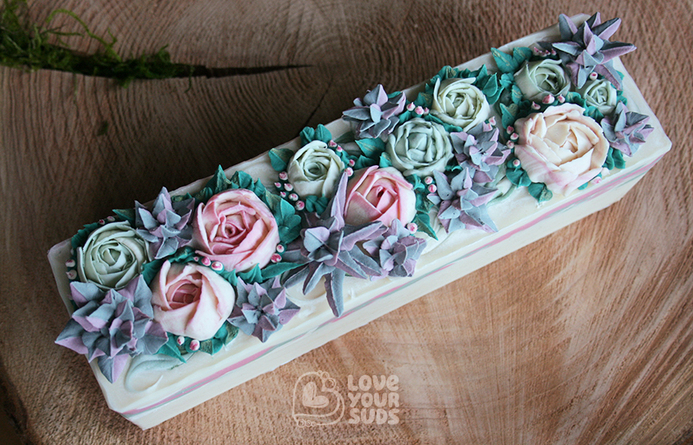
As a passionate newcomer to the art of soap making I delight in every opportunity to learn and practice. A few months ago I signed up for the Soap Challenge Club where members receive a monthly tutorial curated by soap artist, Amy Warden. This month's challenge is to create a soap using piping; a technique used in cake decorating to shape buttercream icing into swirls, rosettes and other floral embellishments. I was excited to give it a try.
|
About the authorBelinda Williams is the founder of Love Your Suds®, an internationally recognized soap artist, educator, conference speaker, and tool designer who helps soapmakers elevate their skills through innovative techniques, tools, and workshops. Categories
All
Archives
June 2026
|
|
Copyright © Love Your Suds®
|